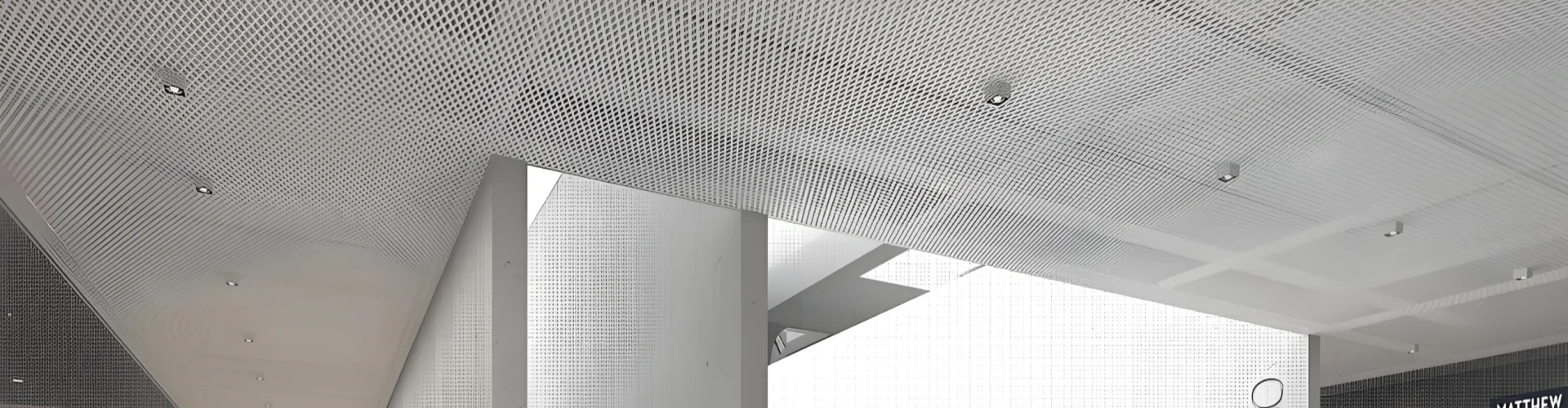
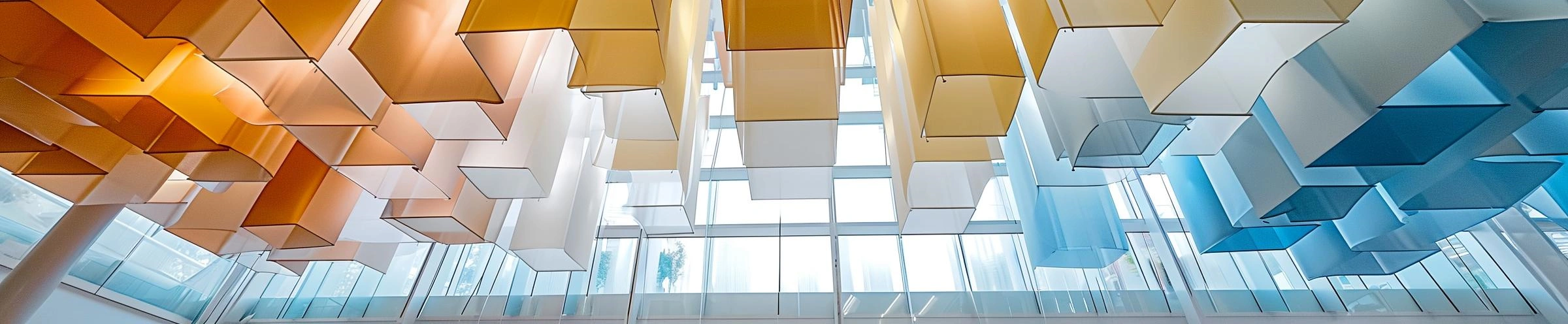
Perforated Carved Aluminum VeneerPerforated Carved Aluminum Veneer
A cutting-edge architectural material that combines artistic expression with high-performance properties—ideal for high-end curtain walls, creative interiors, and landscape installations.
Introduction
Perforated Carved Aluminum Veneer is more than just a building envelope; it is a canvas for architectural soul. By blending unique artistic expression with superior physical properties and high customizability, it has become the preferred choice for high-end curtain walls, creative interiors, and landscape engineering.
1. Definition & Material Composition
Perforated Carved Aluminum Veneer is a premium decorative material crafted from high-strength aluminum alloy sheets, processed through precision CNC (Computer Numerical Control) technology to create specific artistic patterns or functional perforations.
Standard thicknesses:
Interior decoration: 1.5 mm / 2.0 mm (balance of lightness and flatness)
Exterior curtain walls: 2.5 mm / 3.0 mm (wind load resistance, anti-deformation)
Heavy duty: 4.0 mm and above for specialized structures
2. Core Advantages: The Synergy of Art & Function
| Advantage | Benefit / Explanation |
|---|
| Personalized artistic customization | Breaks the monotony of traditional metal panels — can render geometric patterns, natural textures, or pixel-level image simulations with high accuracy. |
| Light & shadow aesthetics | Perforations create dynamic day-to-night light and shadow effects; combine with integrated LED to enhance visual vitality. |
| Ventilation & pressure reduction | Perforated design reduces wind resistance and acts as a "second skin," promoting natural ventilation and blocking direct sun to lower HVAC energy demand. |
| Acoustic optimization | When paired with acoustic backing (e.g., mineral wool) the panels provide excellent sound absorption and barrier performance for subways, halls, and machine rooms. |
3. Precision Manufacturing: Digital Workflow
CNC processing: Advanced laser or punching ensures precise pattern positioning and burr-free edges. Production aligns with BIM (Building Information Modeling) requirements.
Reinforcement & sub-frames: For high-porosity designs (typical perforation rates 10%–45%), stud-welded reinforcement ribs and aluminum sub-frames preserve flatness and rigidity.
Surface treatment technologies:
PVDF coating: Contains >70% fluorocarbon resin (brands such as PPG, AkzoNobel). Highly resistant to acid rain and UV; color stability for 15–20 years.
Anodic oxidation: Natural metallic texture, high scratch resistance, electrically non-conductive finish.
Heat transfer / Powder coating: Realistic wood-grain or stone effects for architectural aesthetics.
4. Application Scenarios: Cross-border Versatility
| Category | Core Value | Typical Use Case |
|---|
| Architectural facades | Enhances prestige; provides transparency and breathability | Commercial landmarks, stadiums, airport terminals |
| Interior decoration | Creates artistic ambiance; optimizes acoustics | Creative ceilings, partitions, feature walls, column covers |
| Public facilities | Blends functionality with modern urban aesthetics | Subway stations, AC unit screening, parking garage covers |
| Landscape engineering | Part of artistic installations or sculptures | Art pavilions, light boxes, landscape pergolas |
5. Installation, Maintenance & Sustainability
Modular installation: Hook-on or angle-bracket systems for fast, accurate assembly and reliable as-built results.
Self-cleaning & low maintenance: PVDF finishes shed dust easily in rain, reducing long-term maintenance costs.
Green & sustainable: Aluminum is 100% recyclable; coating processes use eco-friendly materials and zero formaldehyde emissions, supporting LEED and green building standards.
6. Comprehensive Customization Services
We offer full "Design-to-Delivery" support to meet diverse global client needs:
Design deepening: Pattern and perforation-rate optimization that balances visual impact with structural integrity.
Precision color matching: Support for RAL and Pantone color matching with physical sample confirmation.
Complex geometry: Capability for hyperboloid surfaces, cylindrical panels, and complex folding/faceting.
Technical guidance: Detailed shop drawings and on-site installation support to ensure project success.
Conclusion
With the rise of low-carbon architecture and parametric design, Perforated Carved Aluminum Veneer is no longer just a building material; it crystallizes digital technology and material mechanics, offering infinite possibilities for urban renewal and future-forward landmarks.